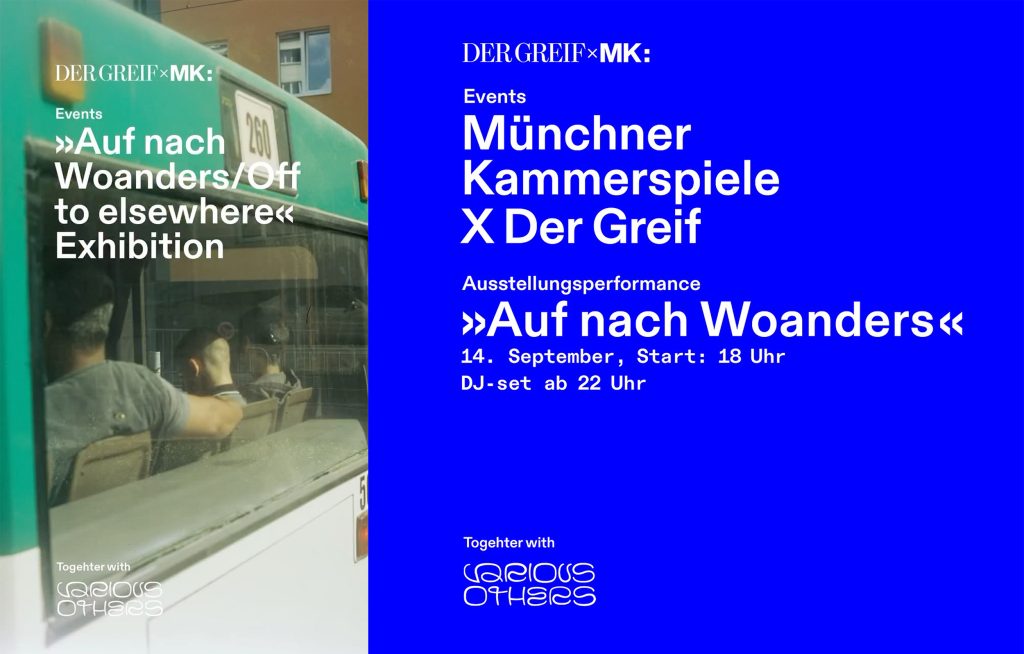
We all long to be elsewhere. But what does the world look like in this “elsewhere”? Münchner Kammerspiele’s call to venture elsewhere offers us a ticket for an imaginative journey of the mind. The forty photographs selected by Çağla Ilk, co-director of Staatliche Kunsthalle Baden-Baden and curator of the German Pavilion at this year’s Venice Biennale, serve as possible stopovers, points of departure, and destinations. They were made by 40 artists from 25 countries, ranging in age from 26 to 74. Rooted in different places around the world, the guidance these images offer extends beyond geographical boundaries.
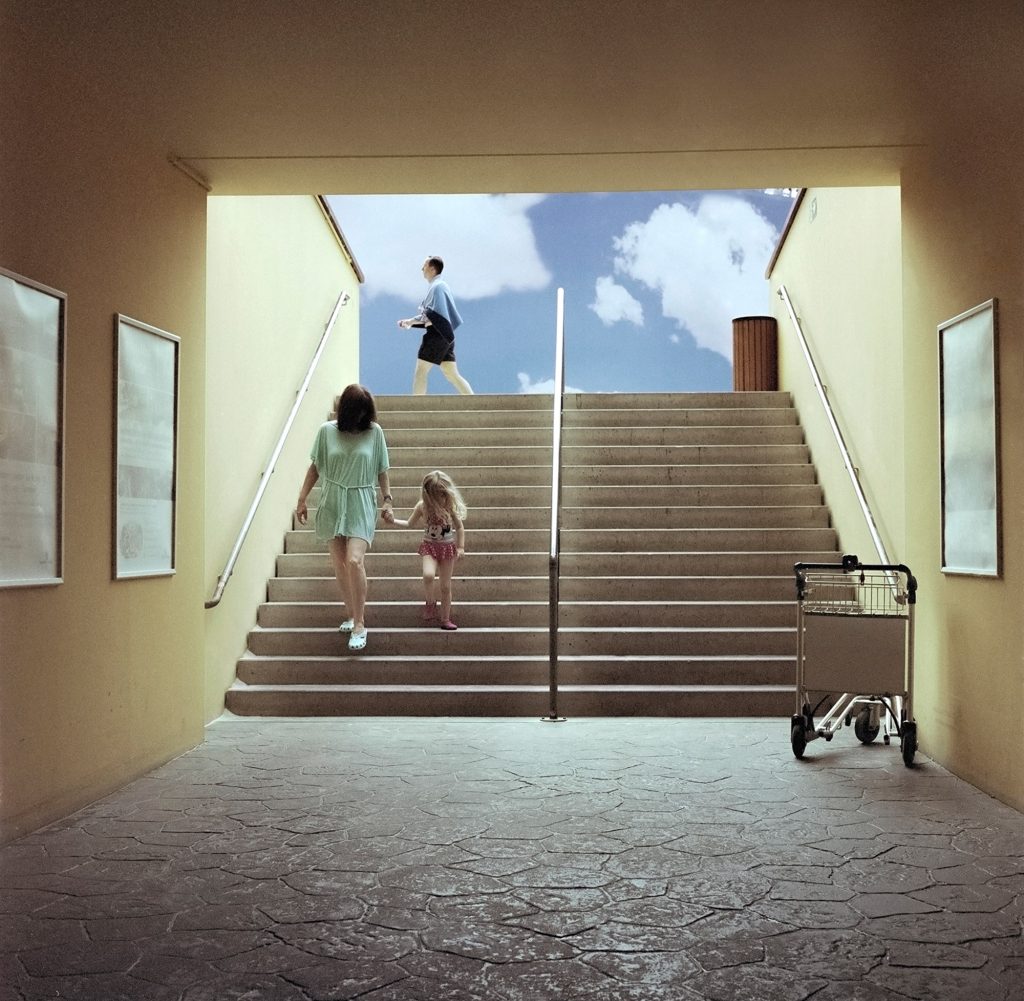
Nowhere to Go © Milena Villalón
What matters to each of us is less whether these images actually reveal “elsewhere” than the responses they evoke within us. As a medium that makes things visible, photography often diverts our attention from what a photograph does not show. Photographic theory borrows the term “blind field” from film theory to describe these invisible dimensions. The blind field encompasses everything that has happened, is happening, or will happen beyond the frame. It exposes the information missing from every image while suggesting a wealth of associations and possible interpretations. The power of a photographic image lies precisely in what it projects beyond its frame: the blind field.
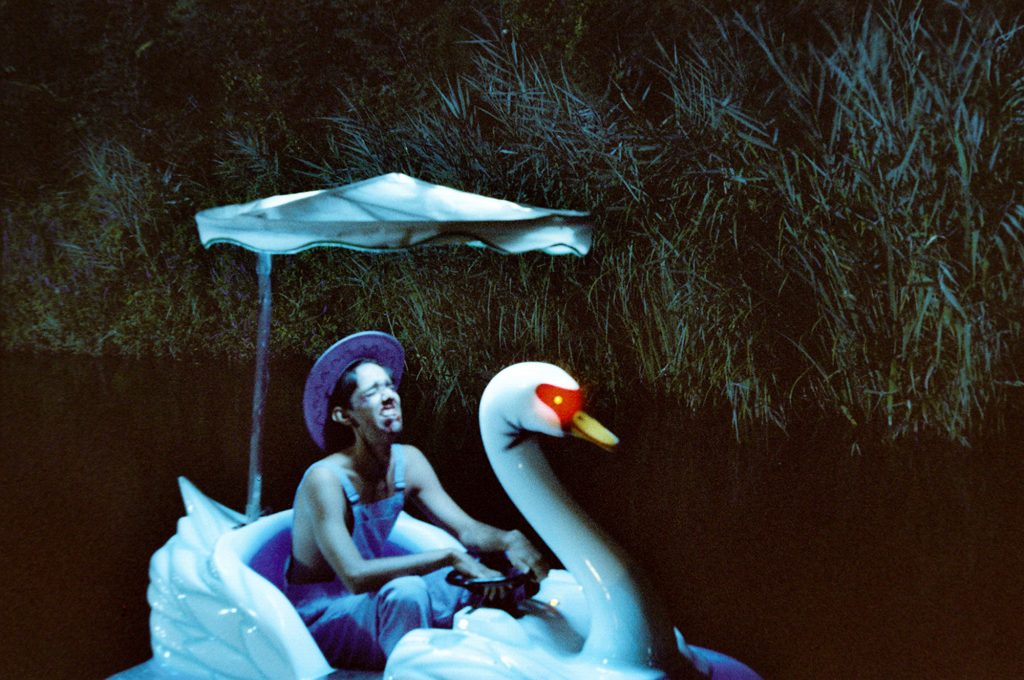
Untitled © Giacomo Tazzini
When we look at an image, we instinctively fill in what the photograph leaves out: What happened before? What are the surroundings like? Who is the person in the photograph? Who is the photographer? We bring our associations, memories, emotions, and personal perspectives to the work. This is what makes the imagined journey to “elsewhere” a personal one. In doing so, we enter the space beyond the photograph’s frame.
Behind every photograph lies a performative and transformative capacity to imagine and shape ideas through the reality before the lens. These ideas are shaped not only by photographers and image-makers but also by us as viewers. This is even more evident in generated images, where an idea is explicitly articulated and given form.
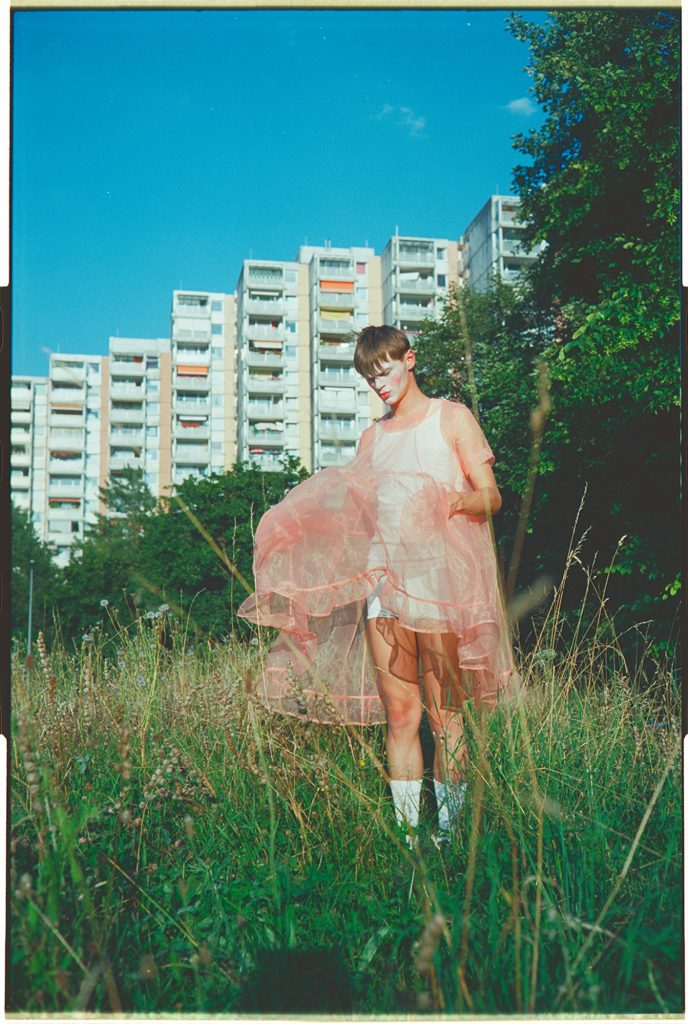
Nothing but Fake Friends Online © Anna Pentzlin
In The Darkroom: Photography and the Theatre of Desire (2003), Australian art critic and theorist Anne Marsh explores the close relationship between photography and performance, treating the camera as an instrument for recording desire. Those in front of the lens and those behind it engage with reality performatively, ultimately depicting the world or themselves as they wish others to see them. In this sense, as Marsh writes, “(Photography) is a theatrical arena in which the subject can play out his or her desire.”
Rooted in desire, “elsewhere” moves between outer and inner spaces. As spaces of projection, photography and theater allow mental, real, and subjective dimensions to converge. The photographic image thus becomes a threshold between inner and outer places, for which “elsewhere” is the only adequate description.
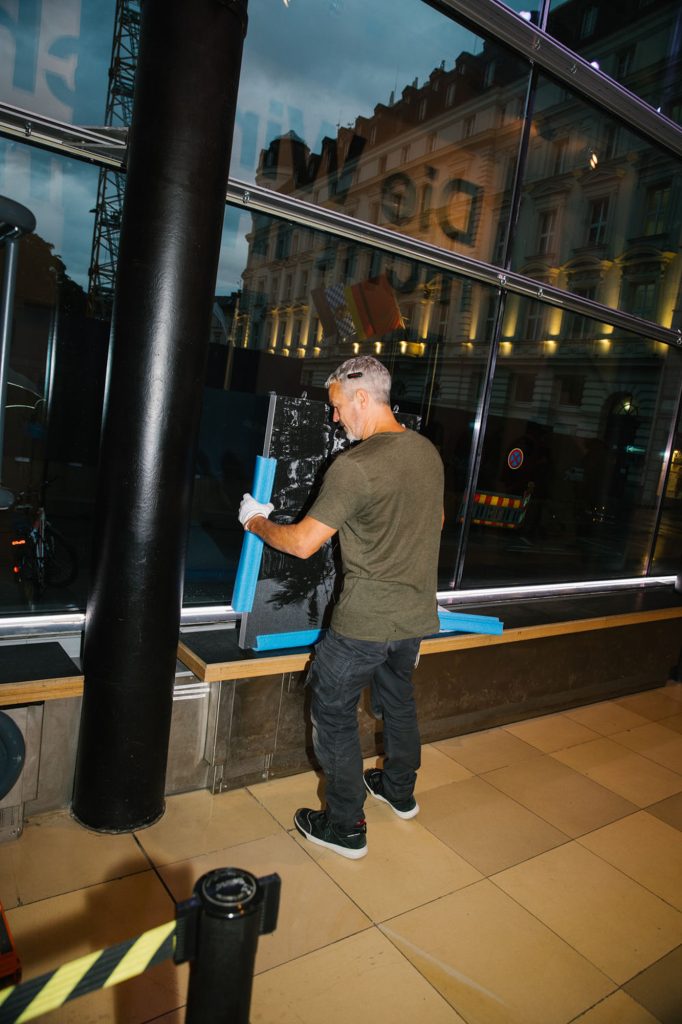
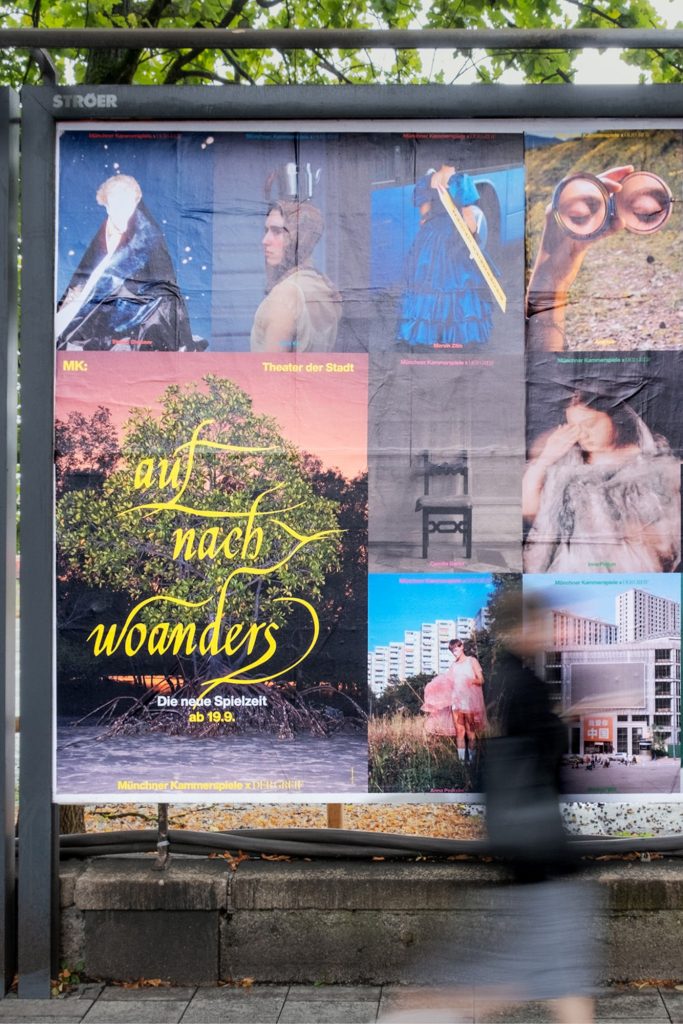
Off to Elsewhere is the theme of Münchner Kammerspiele’s 2024–2025 season, which opened on September 14 at the Therese-Giehse-Halle alongside a photography exhibition. It was also the call issued by Der Greif, the German contemporary photography organization, inviting its global community of photographic artists to submit visual responses to the theme.
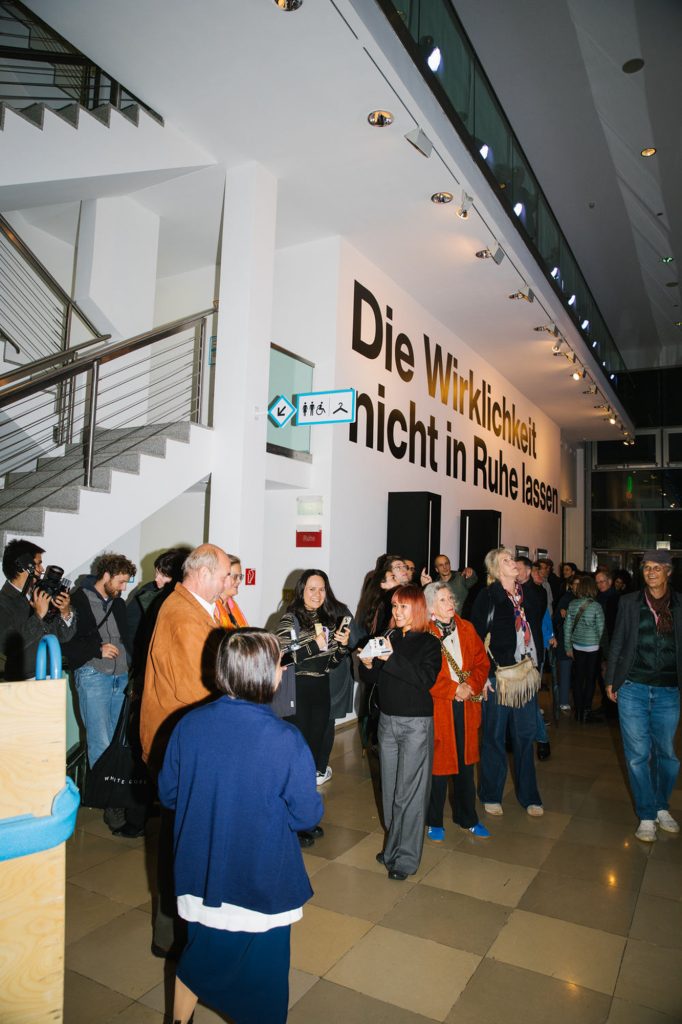
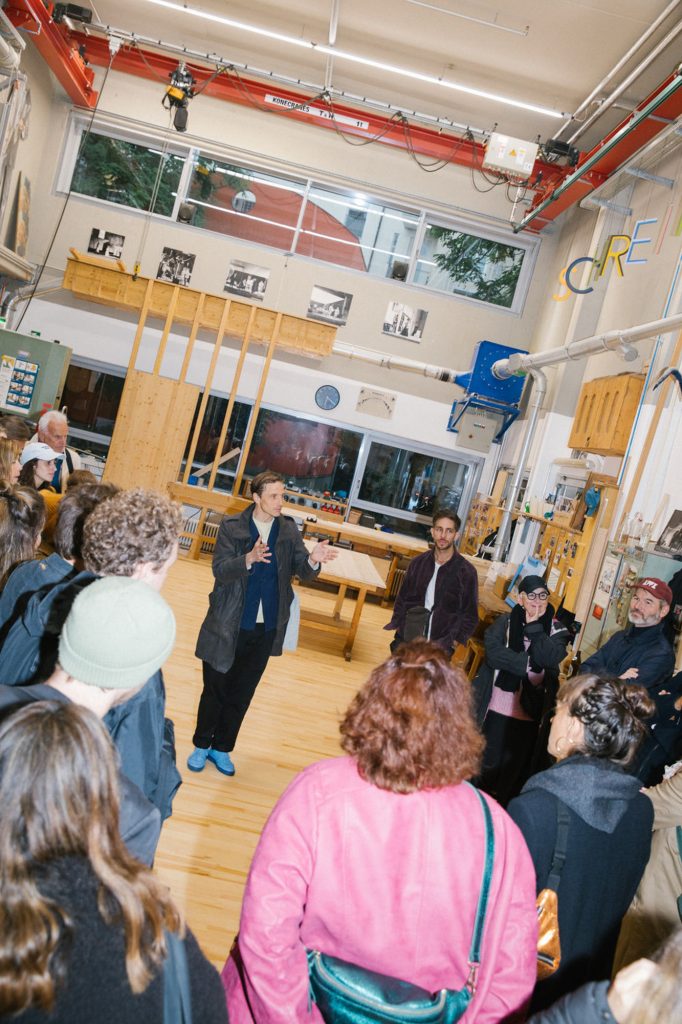
Exhibition opening
The open call received more than 1,000 submissions from 82 countries, from which curator Çağla Ilk selected 40 works. On September 14, as part of the Various Others festival, the selected works were carried in a performance from the theater’s workshop to the Therese-Giehse-Halle. On view for three months, they form a visual bridge between interior and exterior spaces, connecting the municipal theater with interpretations of “elsewhere” by artists from around the world.
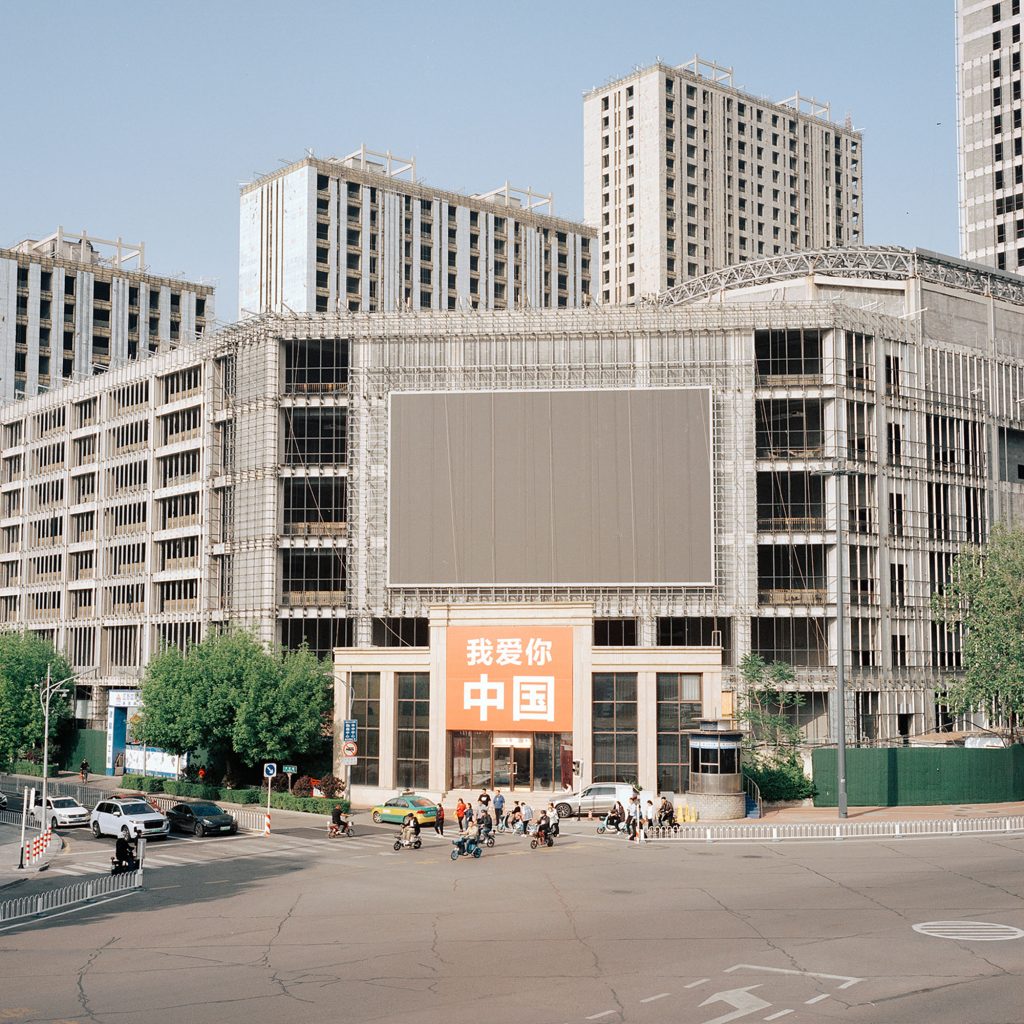
“I Love You, China,” from the series Tangshan, 2023 ©Wei Jinchun
A work by Chinese artist Wei Jinchun was selected for the exhibition and is currently on view at Münchner Kammerspiele in Munich, Germany. As one of 20 artists featured in the exhibition’s publicity campaign, Wei Jinchun has a work displayed as a large-format poster in public spaces across Munich, bringing it to a wider audience and promoting the exhibition.
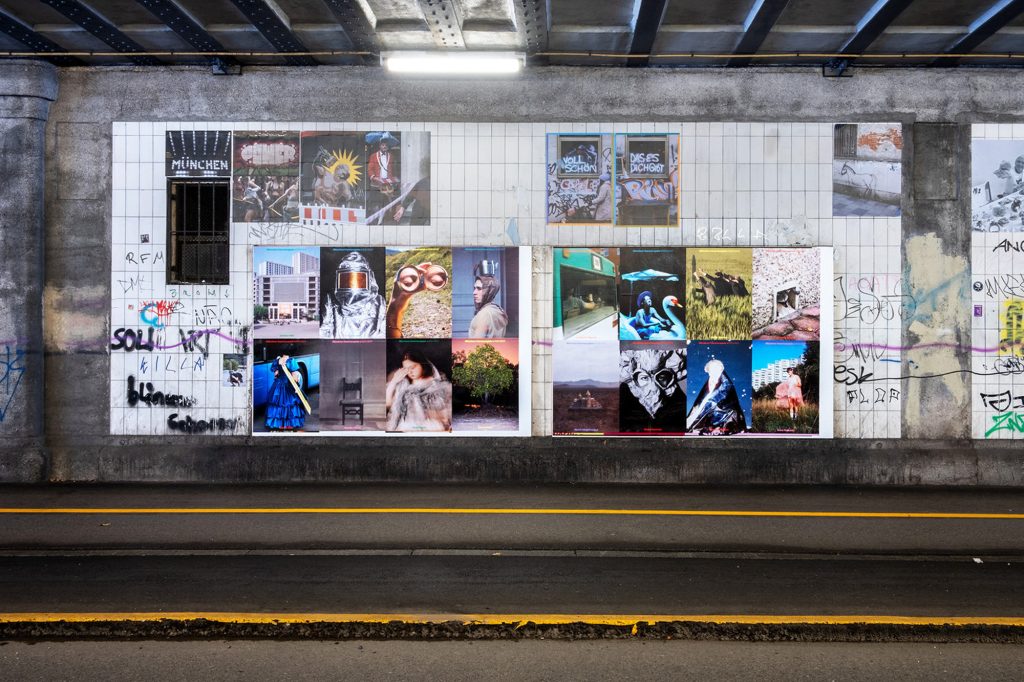
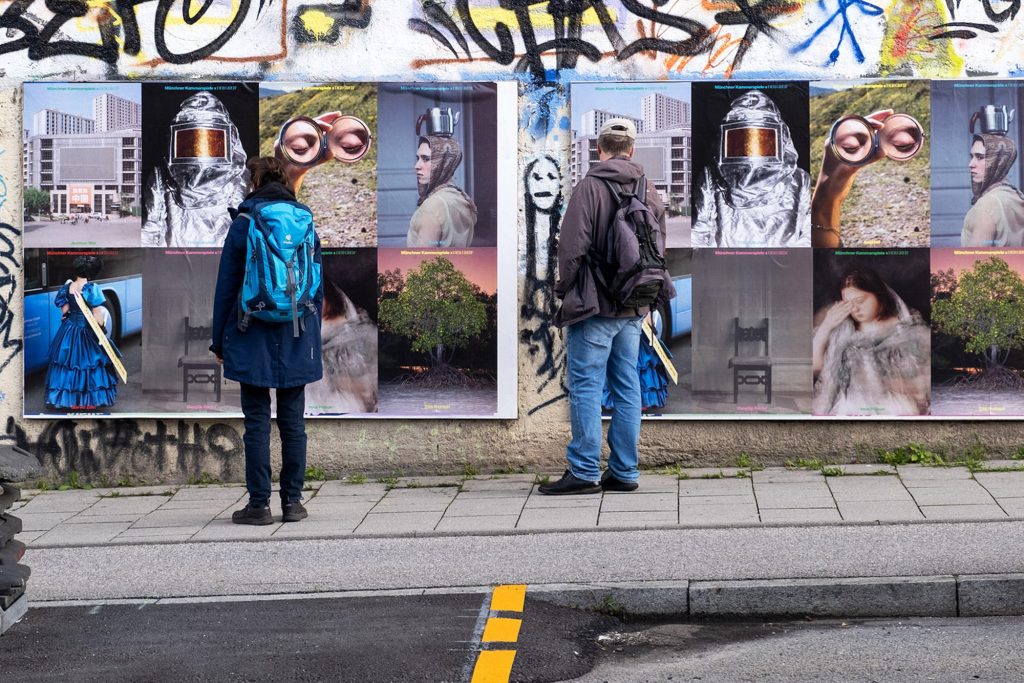
On the streets of Munich, Germany
To accompany the exhibition, Der Greif released a special publication comprising eight large A2 posters folded to A4. The format deliberately echoes the campaign displayed in public spaces. Eight of the 40 works appear at full size, while the remaining 32 are combined on the reverse sides of the posters to create new and suggestive image groupings. At the exhibition, visitors can also create and rearrange their own image combinations on an interactive magnetic wall featuring all 40 works.
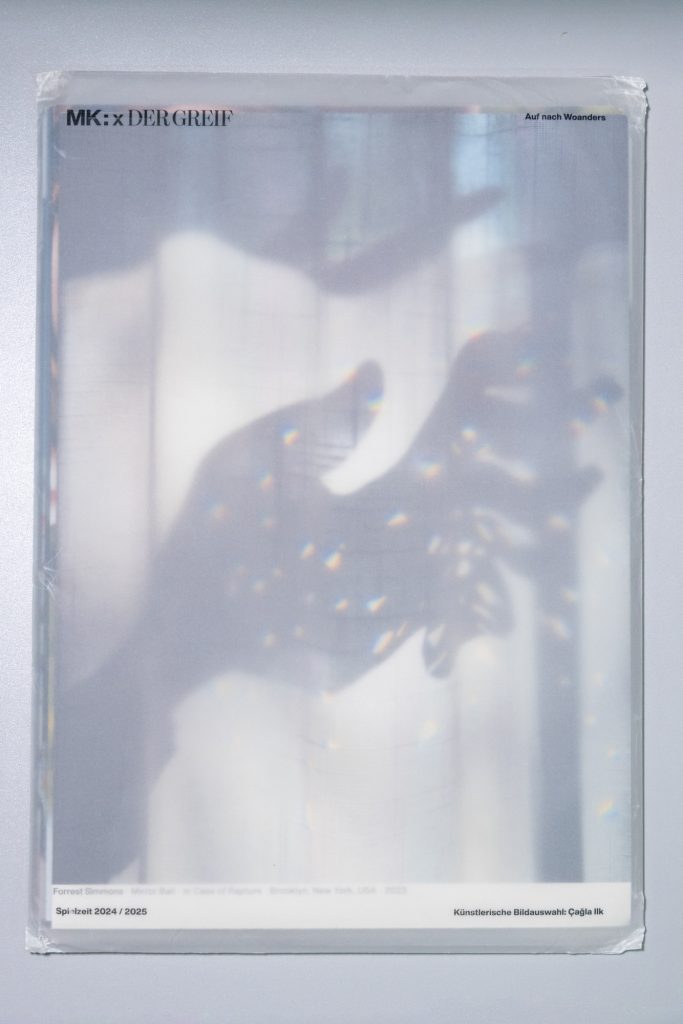
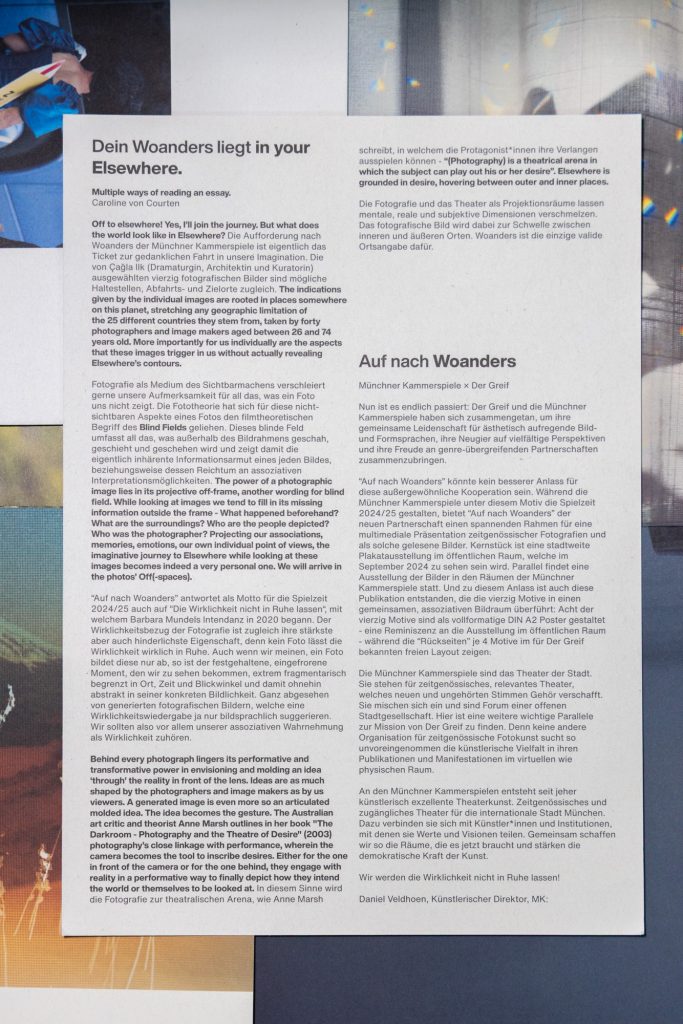
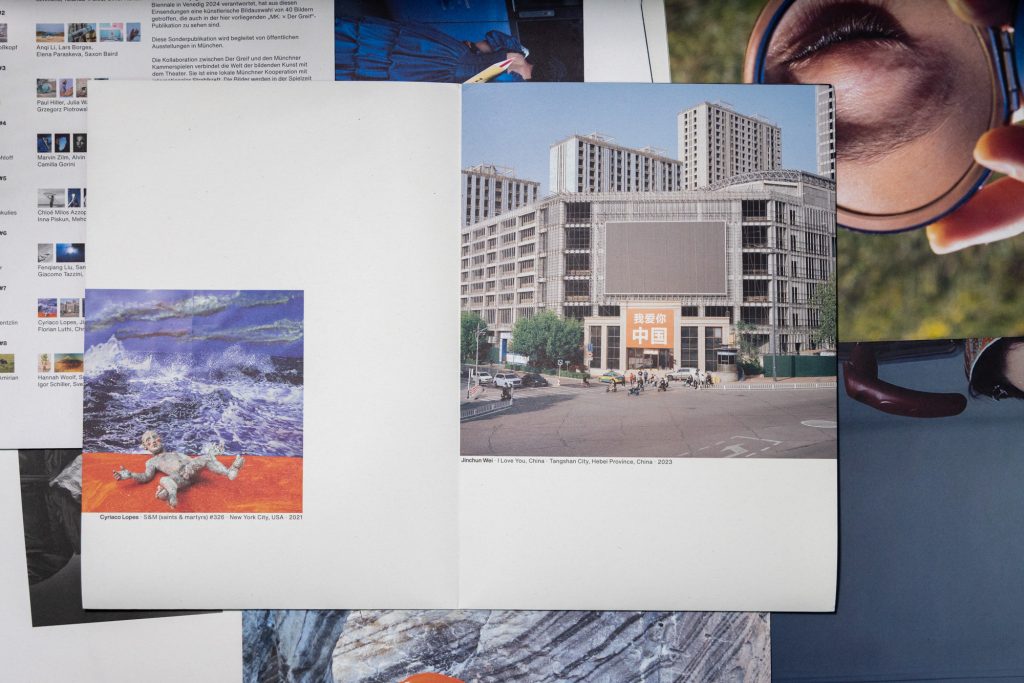
Der Greif special publication
Off to Elsewhere also responds to “Don’t Leave Reality Alone,” the motto Barbara Mundel introduced when she became the theater’s artistic director in 2020. Photography’s relationship with reality is both its greatest strength and its greatest limitation, because no photograph truly “leaves reality alone.” Even when we regard a photograph as a simple depiction of reality, the captured, frozen moment we see is highly limited and partial in its time, place, and perspective. Abstraction therefore exists even within representational images. This is still more apparent in artificially generated images, which suggest a representation of reality through visual language alone.
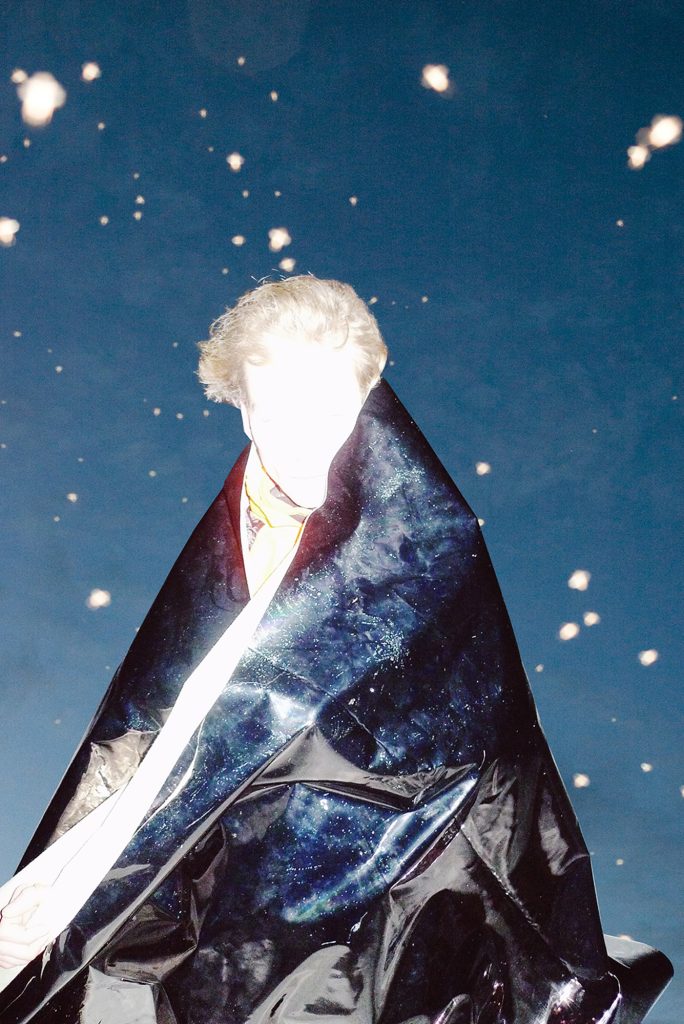
Miracle Oracle © Stepan Chubaev
The collaboration between Der Greif’s visual world and the municipal theater’s programming pursues a goal both serious and playful: to encourage each of us to begin by recognizing our own associative perception as a reality, and thereby find a personal route to “elsewhere.”
Photography and theater both have the capacity to bring mental, real, and subjective dimensions together in a “space of projection.” This interdisciplinary collaboration may be unusual, but the variety of forms it takes demonstrates a refreshing symbiosis.

Mirror © Armin Amirian
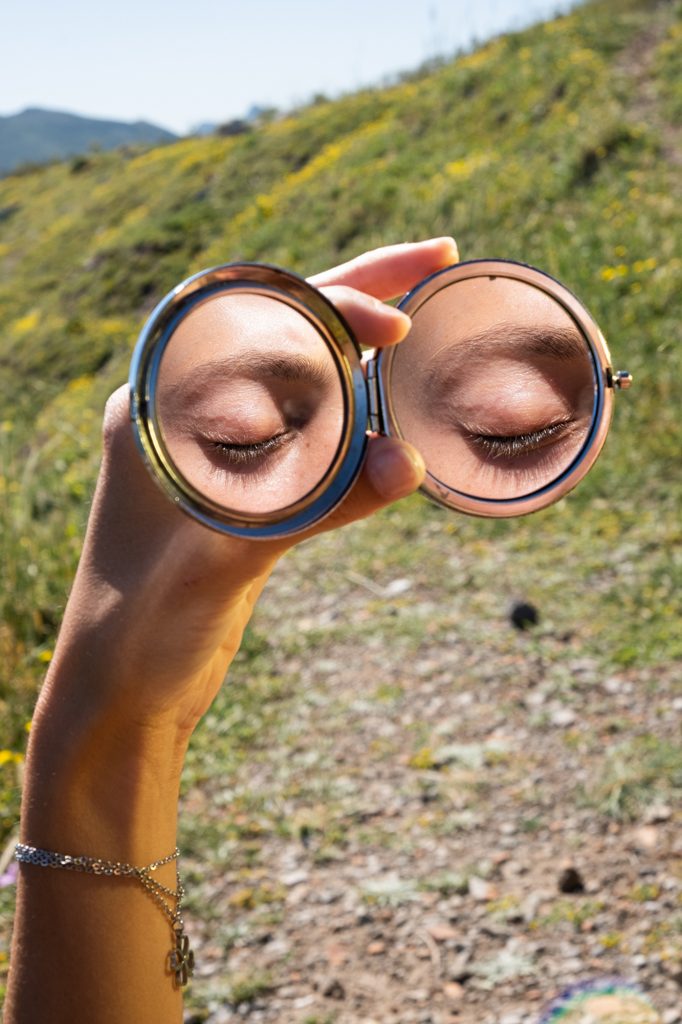
Untitled © AnaHell
Curator Çağla Ilk
Çağla Ilk was invited by Münchner Kammerspiele to serve as guest curator for the open call. In March 2023, she was appointed curator of the German Pavilion at the 60th International Art Exhibition—La Biennale di Venezia. Since 2020, she has co-directed Staatliche Kunsthalle Baden-Baden with Misal Adnan Yıldız. Ilk works across theory and practice at the intersections of visual art, architecture, sound, theater, and performance. She uses dramaturgy as a curatorial method, bringing an interdisciplinary approach to her practice. Rather than presenting exhibitions as static forms, she seeks to reveal transformation and make processes of transition visible through changing events and installations.
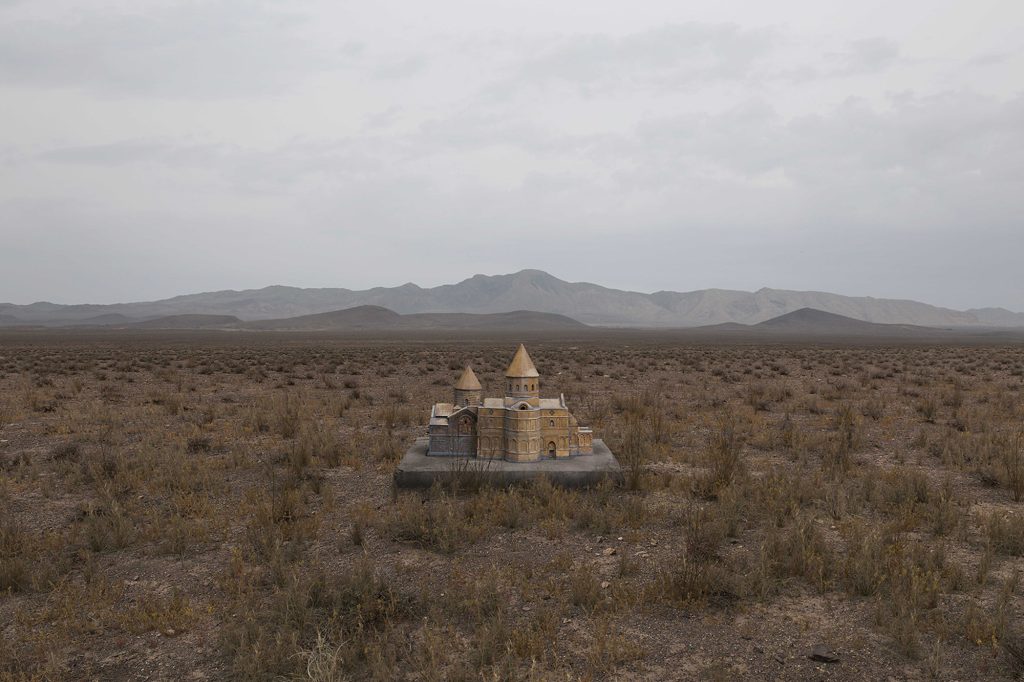
Monument, No. 2, Saint Thaddeus Monastery © Mehdi Moghimnejad
Münchner Kammerspiele
Münchner Kammerspiele is one of Germany’s leading theaters, known for innovative contemporary theater. It attracts outstanding artists and offers distinctive conditions for their work. By bringing new and previously unseen work to the stage, it addresses the urgent questions of our time. Open, welcoming, and self-assured, the theater seeks to be a space where audiences can imagine and shape our future. As a municipal theater, Münchner Kammerspiele is closely connected to Munich and its history. It takes up the city’s concerns and places them in an international context. It is a place of curiosity, encounter, and critical reflection.
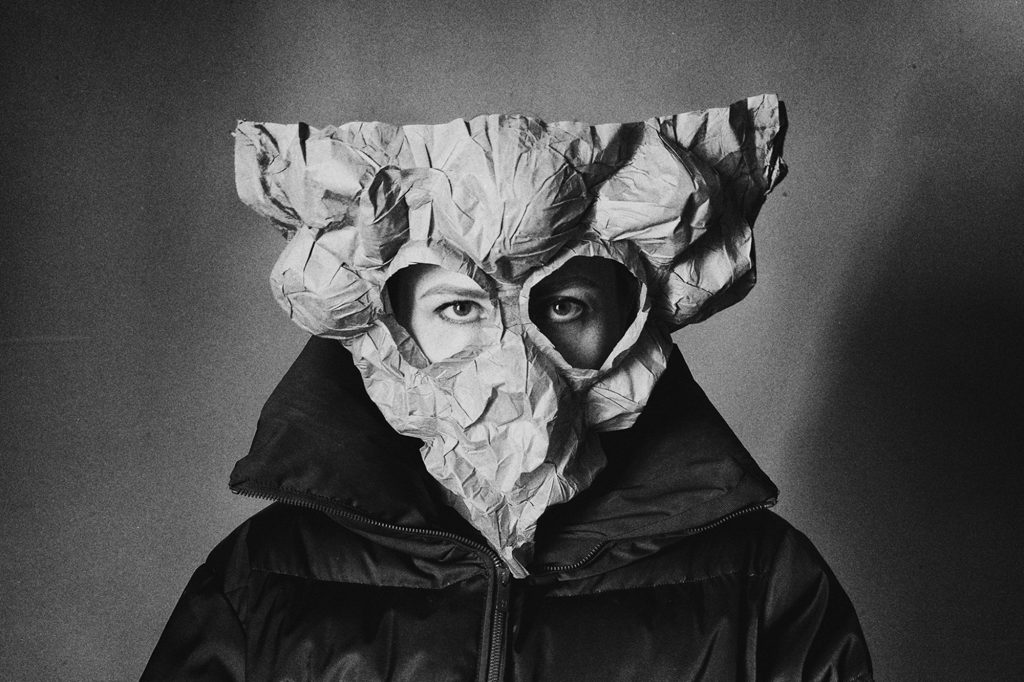
Virtual Reality Headset © Sveta Kaverina
Der Greif
Der Greif is an award-winning contemporary photography organization with an international reach. Through crowdsourcing, it brings together diverse voices and provides a platform and visibility for young and emerging artists and their work from its global community. Since 2008, Der Greif has explored changing perceptions of authorship, the decontextualization and recontextualization of images, appropriation, and artistic approaches to photographic archives and remix culture. In collaboration with institutions including Foam, Aperture Foundation, Pinakothek der Moderne, Grisebach, C/O Berlin, and Fotomuseum Winterthur, it has published work by approximately 4,000 photographers, artists, and writers in print and online.
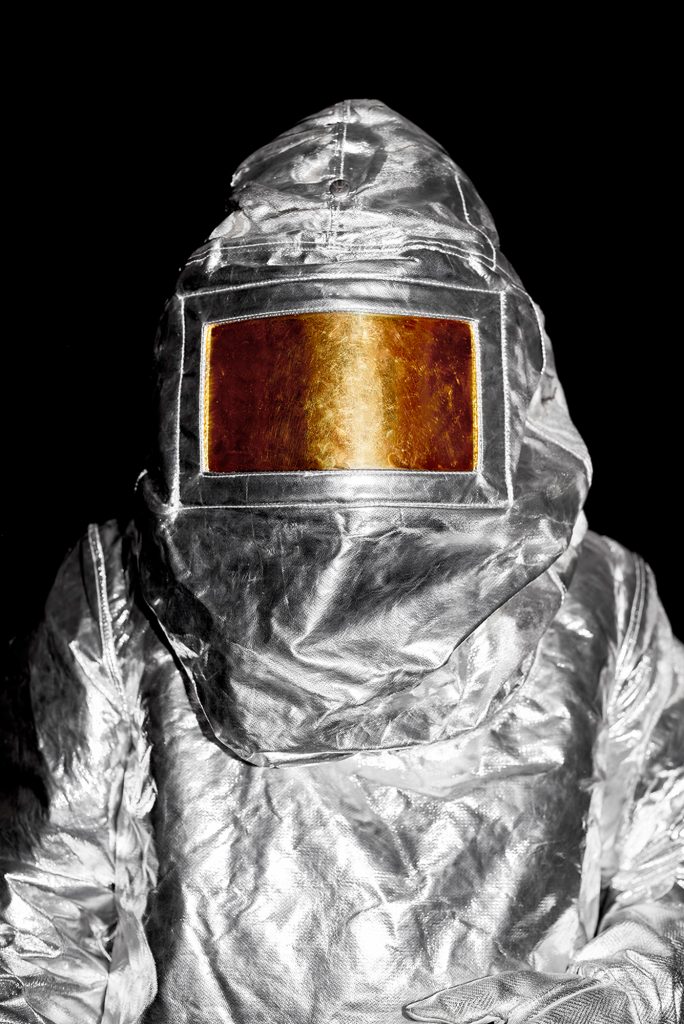
Selfie in a Heat Protection Suit 2 © Tino Kukulies
Participating Artists
Alvin Ng, AnaHell, Anna Pentzlin, Anqi Li, Armin Amirian, Berk Kır, Camilla Gorini, Chloé Milos Azzopardi, Christian Nicolay, Cyriaco Lopes, Elena Paraskeva, Ernesto Solana, Fenqiang Liu, Florian Luthi, Forrest Simmons, Giacomo Tazzini, Grzegorz Piotrowski, Hannah Woolf, Igor Schiller, Inna Piskun, Wei Jinchun, Julia Walk, Lars Borges, Lê Quyên Nguyễn, Lisa Großkopf, Marco Castelli, Marvin Zilm, Mehdi Moghimnejad, Melanie Schoeniger, Milena Villalón, Oliver Kartak, Paul Hiller, Samet Durgun, Sári Zagyvai, Saxon Baird, Stepan Chubaev, Sveta Kaverina, Tino Kukulies, Yolanda Y. Liou and Zita Frohloff.
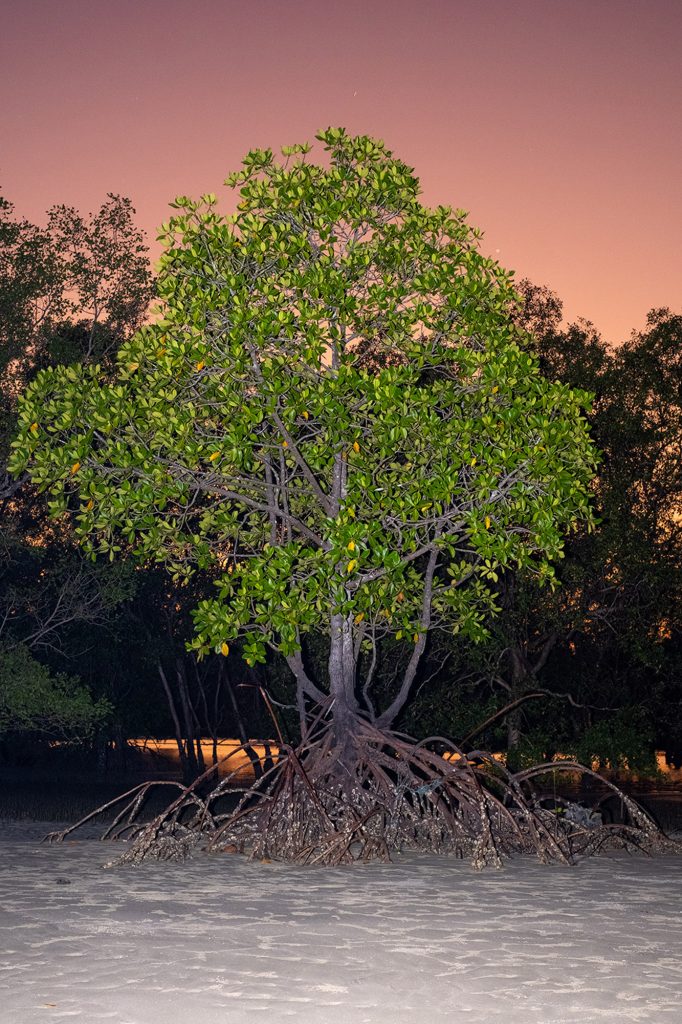
Untitled © Zita Frohloff
The works shown above are a selection from the exhibition. All rights reserved by the respective artists.